
Dispatches from the Past, Reflections for the Present
In the spirit of exploration and exchange, I’ve decided to update the title and subtitle of this blog to better capture its essence. Originally, the focus of the blog was on personal travel reflections, opinions on the world, and rants about the unfairness of life. But as my understanding of history deepens, particularly in relation to Japan’s rich past, it became clear that this blog needed a title that resonated with both my personal journey and a historical legacy of communication.
Thus, the blog has evolved into “Moving Words Between Here, There, and Everywhere in Between.” The new title reflects not only the way I move through life—physically and emotionally—but also the movement of ideas, stories, and experiences that bridge gaps between cultures, times, and people.
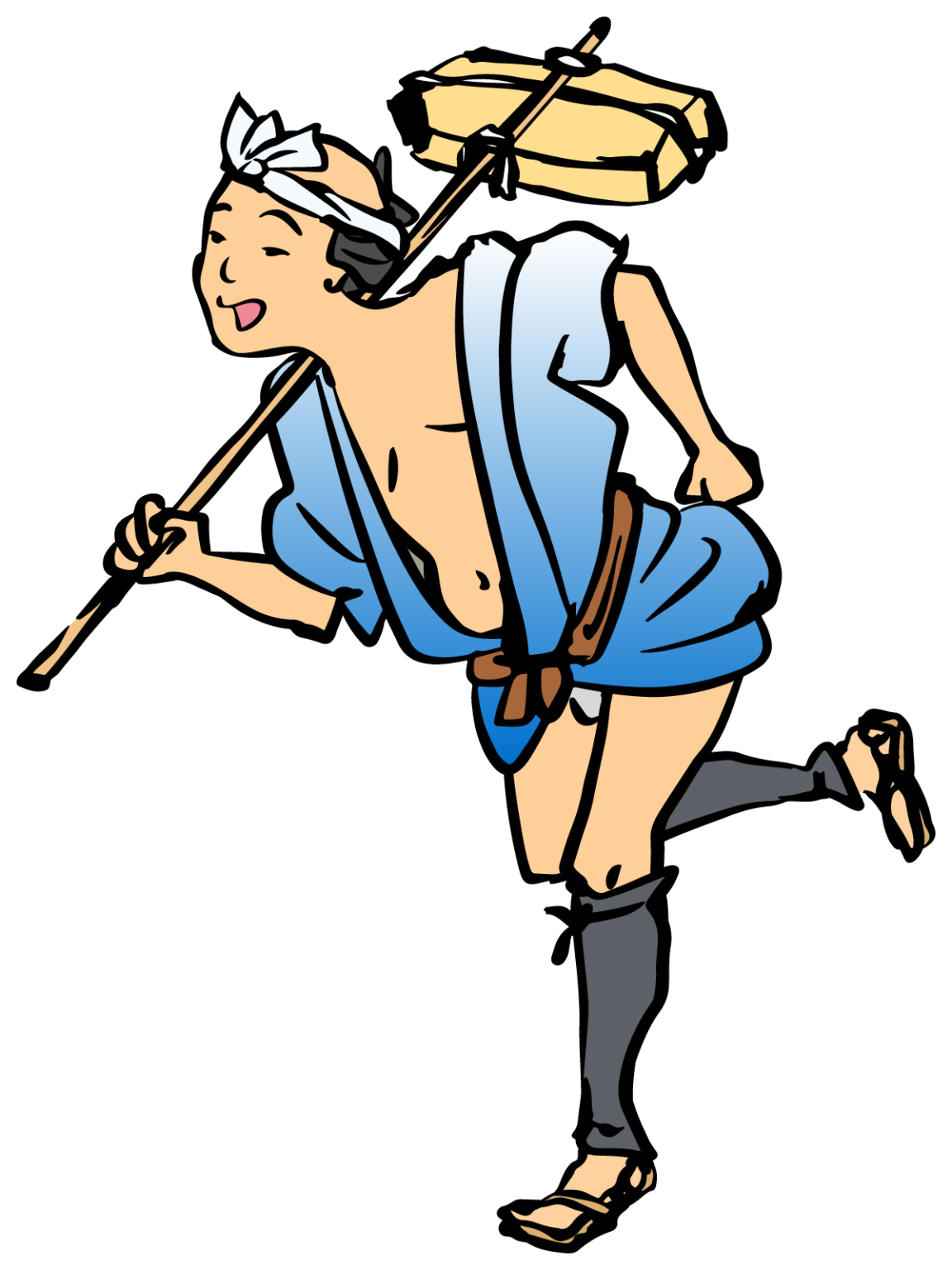
Sooo what Is Hikyaku (飛脚)?
The term Hikyaku (飛脚) refers to the swift foot runners in the Edo period (江戸時代, Edo jidai) in Japan who delivered messages across the country. These messengers were essential to communication in a society where technology was limited, and their job was crucial for maintaining connections between regions that laid far apart. They carried everything from official letters (書簡, shokan) and urgent reports (報告書, hokokusho) to personal notes (私信, shishin), often traveling through difficult terrains and bad weather.
The Hikyaku were known for their speed (速さ, hayasa) and efficiency (効率, kōritsu). They moved swiftly across vast distances, ensuring that important information reached its destination in the shortest time possible. Just as modern couriers deliver packages today, the Hikyaku were the vital link in the communication system of the time.
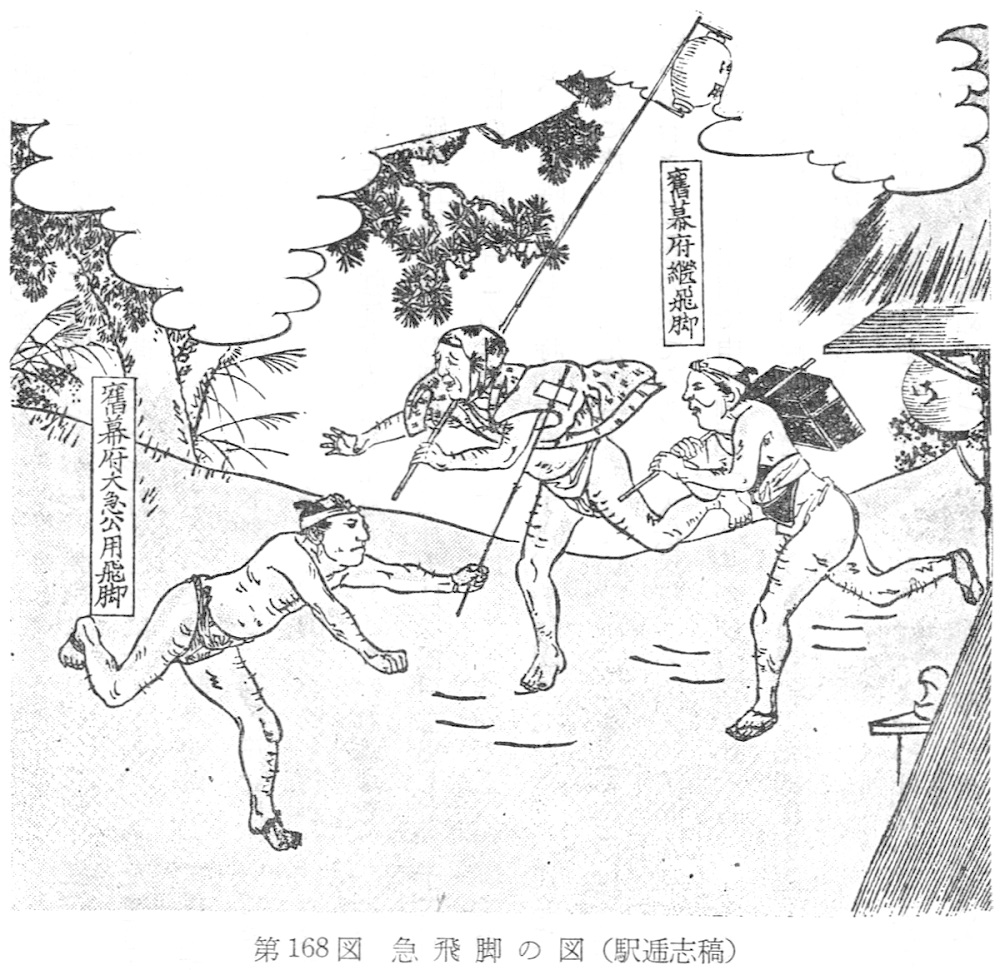
How Hikyaku Affected Japan
The Hikyaku system was integral to keeping Japan’s internal systems running smoothly during the Edo period With the country largely isolated (孤立, koritsu) from the rest of the world, the Hikyaku bridged the gaps between regions, ensuring that political (政治, seiji), military (軍事, gunji), and personal (私的, shiteki) communications reached their destinations.
Their work wasn’t just about delivering messages; it was about maintaining connections (つながり, tsunagari)—between leaders and their domains (大名, daimyō), between people (人々, hitobito), and between different parts of the country. In a way, the Hikyaku were the lifeblood of the communication system, allowing Japan (日本, Nihon) to function cohesively even without modern technology or international interaction.

The Connection to Takuhaibin (宅配便, takuhaibin)

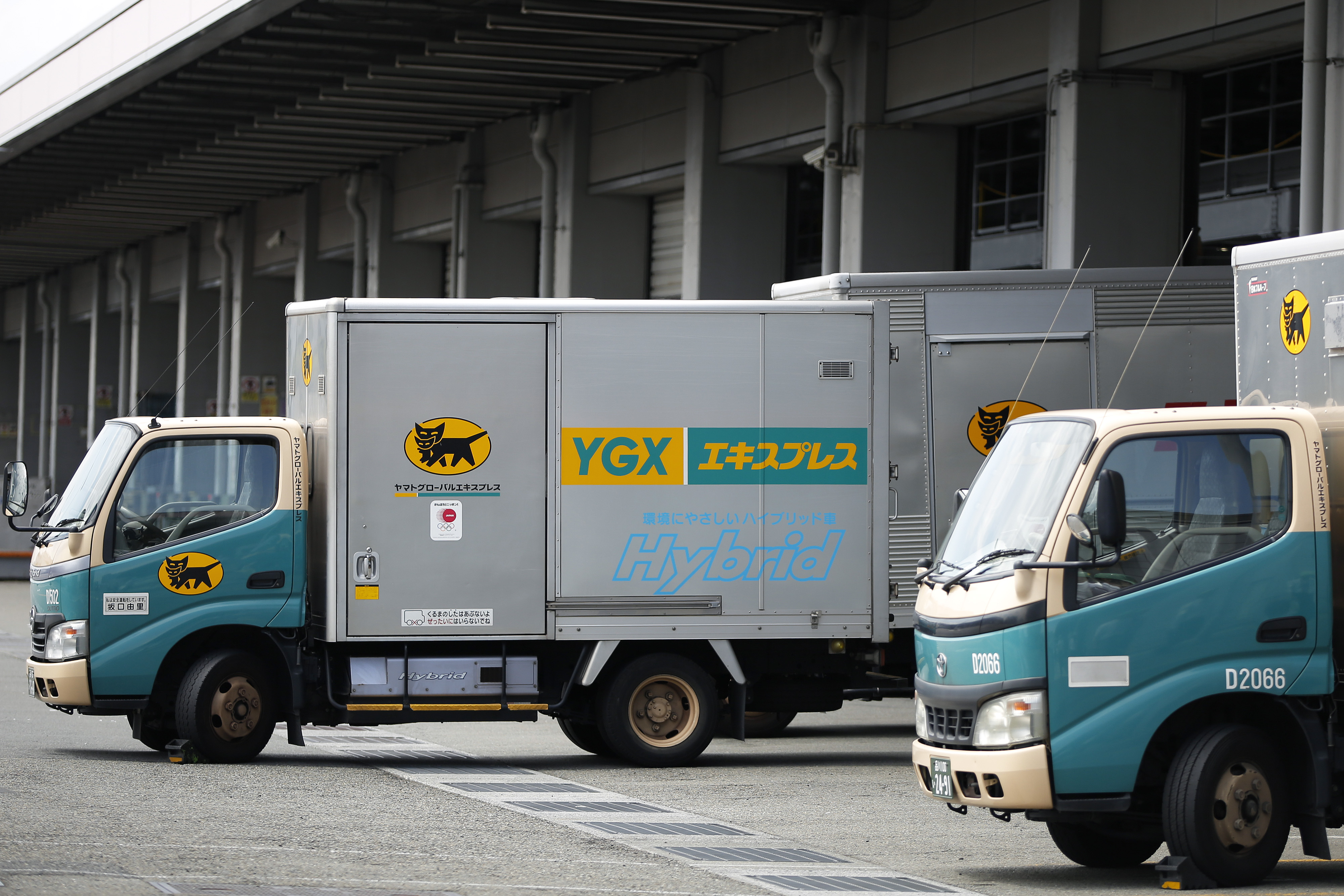
Fast-forward to the present day, and Japan’s Hikyaku system is not all that different from the widely used Takuhaibin (宅配便, takuhaibin), or home delivery service, which is most famously associated with Kuroneko Yamato (黒猫ヤマト, Kuroneko Yamato), also known as the “Black Cat” delivery service. Much like the Hikyaku, Takuhaibin services deliver parcels across Japan with speed, reliability, and efficiency, ensuring that messages and packages reach their intended destinations quickly.
The Takuhaibin system is incredibly affordable and efficient, which has made it a popular choice for both businesses and individuals. Whether you need to send a birthday gift, urgent documents, or even luggage across Japan, the Takuhaibin service can make it happen, often with next-day delivery, just as the Hikyaku did centuries ago.
What’s even more interesting is the connection between the Kuroneko (黒猫, Kuroneko)—the “Black Cat”—and the traditional Hikyaku. The company’s name and its logo, a black cat, is a subtle nod to the speedy foot runners of the past. The modern-day Takuhaibin is the contemporary embodiment of what the Hikyaku once were: fast, reliable, and essential for communication and connection.
Why This Blog Is Now Called What It Is
The new title, “Moving Words Between Here, There, and Everywhere in Between,” is a reflection of what the Hikyaku did. Just as the Hikyaku moved words across Japan, this blog aims to share thoughts (考え, kangae), ideas, and experiences with readers from all over the world. The title captures the movement of words (言葉, kotoba), not just between places (場所, basho), but between times (時間, jikan), cultures (文化, bunka), and perspectives (視点, shiten).
The shift in the blog’s title represents a broader ambition: to move beyond the personal reflections (個人的な考察, kojinteki na kōsatsu) I initially focused on, and to engage with a wider world of ideas and stories. The journey of communication itself isn’t just about moving messages—it’s about creating connections. Whether you’re reading from here, there, or somewhere in between (その間, sono aida), this blog aims to build those connections, just as the Hikyaku did in their time.
As I continue to explore personal thoughts (考え, kangae), travel experiences (旅行, ryokō), and musings on the unfairness (不公平, fukōhei) of life, I hope these “moving” words (動く言葉, ugoku kotoba) will find their way to readers everywhere. Whether these words spark conversation (対話, taiwa), reflection (考え, kangae), or even action (行動, kōdō), I want them to travel far, just like the messages carried by the Hikyaku or the Takuhaibin.
 Hikyaku Telegram
Sehr philosophisch! Schön!!!
>
LikeLike